
Phone Scam Statistics 2027: Latest Numbers, Trends & Fraud Data
Phone Scam Statistics (Latest Year): How Big Is the Scam Problem in 2027?
Phone scams are no longer occasional annoyances.
Today, scam calls, impersonation fraud, OTP scams, fake customer support calls, and AI-powered voice scams affect millions of people worldwide every year.
But how widespread is the problem?
The latest statistics reveal that phone scams and related fraud schemes are growing at an alarming rate, causing billions of dollars in losses and exposing consumers to increasingly sophisticated attacks.
This report summarizes some of the most recent phone scam and fraud statistics available in 2026–2027.
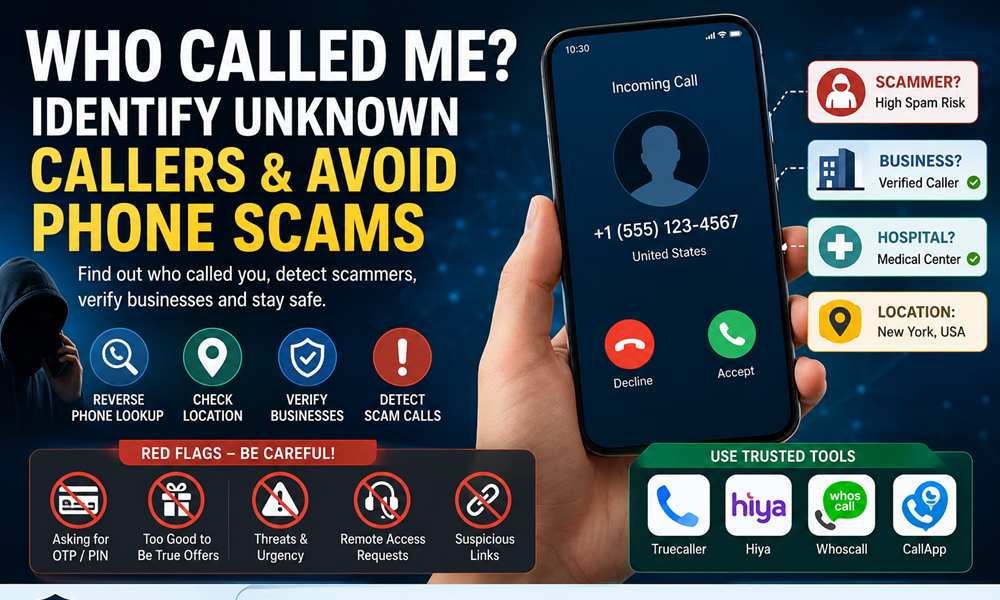
Key Phone Scam Statistics at a Glance
Global Highlights
- People reported losing approximately $16 billion to fraud in 2025, the highest amount on record according to the U.S. Federal Trade Commission (FTC).
- Consumers reported losing $3.5 billion to imposter scams alone in 2025, nearly triple the amount reported in 2020.
- Nearly 1 in 3 fraud reports involved impersonation scams, making them one of the most common fraud categories reported.
- Fraudsters increasingly use phone calls, text messages, social media, email, and fake websites to reach victims.
India Phone Scam Statistics
India remains one of the world’s largest mobile-phone markets, making it a major target for scammers.
According to the latest Truecaller India Insights Report:
- More than 4,100 crore spam calls were identified in India during 2025.
- Over 12,903 crore spam messages were identified during the same period.
- The Truecaller community identified approximately 770 crore fraud calls in India during 2025.
- More than 1,189 crore spam calls were blocked by users using Truecaller protection tools.
These numbers demonstrate the massive scale of unwanted and fraudulent communications reaching Indian consumers.
Digital Fraud in India Is Rising
According to TransUnion’s fraud analysis:
- India’s digital fraud rate reached 7.1% in 2025.
- This was almost double the global average of 3.8%.
- Fraudsters are increasingly targeting existing online accounts and trusted communication channels.
Most Common Types of Phone Scams
Reports from consumers, cybercrime agencies, and fraud investigators show that the most common phone scams include:
Bank Impersonation Scams
Scammers pretend to be:
- SBI
- HDFC Bank
- ICICI Bank
- Axis Bank
- RBI officials
Victims are pressured to share OTPs, PINs, or account details.
KYC Update Scams
The caller claims:
“Your KYC has expired.”
The victim is directed to click links or share sensitive information.
UPI Payment Scams
Fraudsters exploit:
- Google Pay
- PhonePe
- Paytm
- BHIM
Victims are tricked into approving fraudulent transactions.
Government Impersonation Scams
Scammers pretend to represent:
- Police
- Cyber Crime Departments
- Income Tax Authorities
- Government Agencies
Losses from government impersonation scams continue to increase in many countries.
AI Voice Cloning Scams
Fraudsters now use artificial intelligence to imitate:
- Family members
- Friends
- Business executives
These scams are becoming increasingly convincing and difficult to detect.
Social Media and Phone Scams Are Increasingly Connected
Many modern phone scams begin online.
Recent FTC data shows:
- Nearly 30% of people who lost money to scams in 2025 said the scam began on social media.
- Reported losses linked to social-media-originated scams reached $2.1 billion.
Scammers often collect personal information online before making phone calls that appear more believable.
Why Phone Scams Continue to Succeed
Fraudsters rarely rely on technology alone.
Most scams exploit human psychology.
Common tactics include:
- Fear
- Urgency
- Trust
- Authority
- Curiosity
- Greed
Examples include:
- “Your account will be blocked.”
- “Your parcel contains illegal items.”
- “Your bank account has suspicious activity.”
- “Share the OTP immediately.”
These emotional triggers encourage victims to act before verifying information.
Who Is Most at Risk?
Phone scams can affect anyone, including:
- Students
- Working professionals
- Business owners
- Senior citizens
- Retirees
However, scammers often target:
- People unfamiliar with technology
- Elderly individuals
- New online banking users
- Small business owners
No age group is completely immune.
Emerging Scam Trends in 2027
Cybersecurity experts are monitoring several growing threats:
AI Voice Cloning
Scammers can imitate real voices using publicly available recordings.
Deepfake Customer Support
Fraudsters increasingly impersonate customer-service representatives.
AI-Powered Phishing
Generative AI helps criminals create more convincing messages and conversations.
Multi-Channel Attacks
A scam may start through:
- Social media
- SMS
- Phone call
The combination increases credibility.
How to Protect Yourself
Never Share
- OTPs
- UPI PINs
- ATM PINs
- Banking passwords
- CVV numbers
Verify Independently
Contact organizations through official websites and customer-support channels.
Be Skeptical of Urgency
Legitimate organizations rarely demand immediate action over the phone.
Use Caller Identification Tools Carefully
Caller ID apps can help, but they should not be treated as definitive proof of identity.
Stay Updated
Scam tactics evolve rapidly.
Regular awareness is one of the strongest defenses.
Frequently Asked Questions (FAQ)
How many scam calls happen every year?
Exact numbers vary by country, but reports suggest billions of spam and fraud calls are made globally each year.
What is the most common phone scam?
Bank impersonation, KYC-update scams, OTP fraud, and government impersonation scams remain among the most common.
Are scam calls increasing?
Yes. Available data shows fraud losses and scam activity continue to grow worldwide.
Can caller ID apps stop scams?
They can help identify suspicious numbers, but they cannot prevent all scams.
Are AI scams becoming more common?
Yes. AI-generated voice cloning and AI-assisted phishing are becoming significant concerns for consumers and businesses.
Final Thoughts
The latest statistics show that phone scams remain one of the fastest-growing forms of fraud worldwide. With billions of spam calls, rising financial losses, and increasingly sophisticated AI-powered attacks, consumers must remain vigilant.
The best protection is a combination of awareness, verification, and skepticism whenever an unknown caller requests money, personal information, or urgent action.
Staying informed today can help prevent becoming a statistic tomorrow.
Learn How to Spot Scams Before They Cost You
At VyaparGrow.com, we publish guides on scam awareness, business verification, phone number safety, and online fraud prevention to help individuals and businesses make safer decisions in an increasingly digital world.